
Filipino Healthcare Staff for UAE, Saudi Arabia, and Qatar
Why UAE, Saudi Arabia, and Qatar Healthcare Employers Hire Filipino Medical Professionals
Filipino nurses and allied health professionals hold PRC licences recognised by MOH UAE, DHA, SCFHS, and QCHP. They train and practise in English. DataFlow verification pathways for Philippine credentials are established with the main health authorities in the region. These are the operational reasons UAE, Saudi Arabia, and Qatar hospitals keep coming back to the same source country.
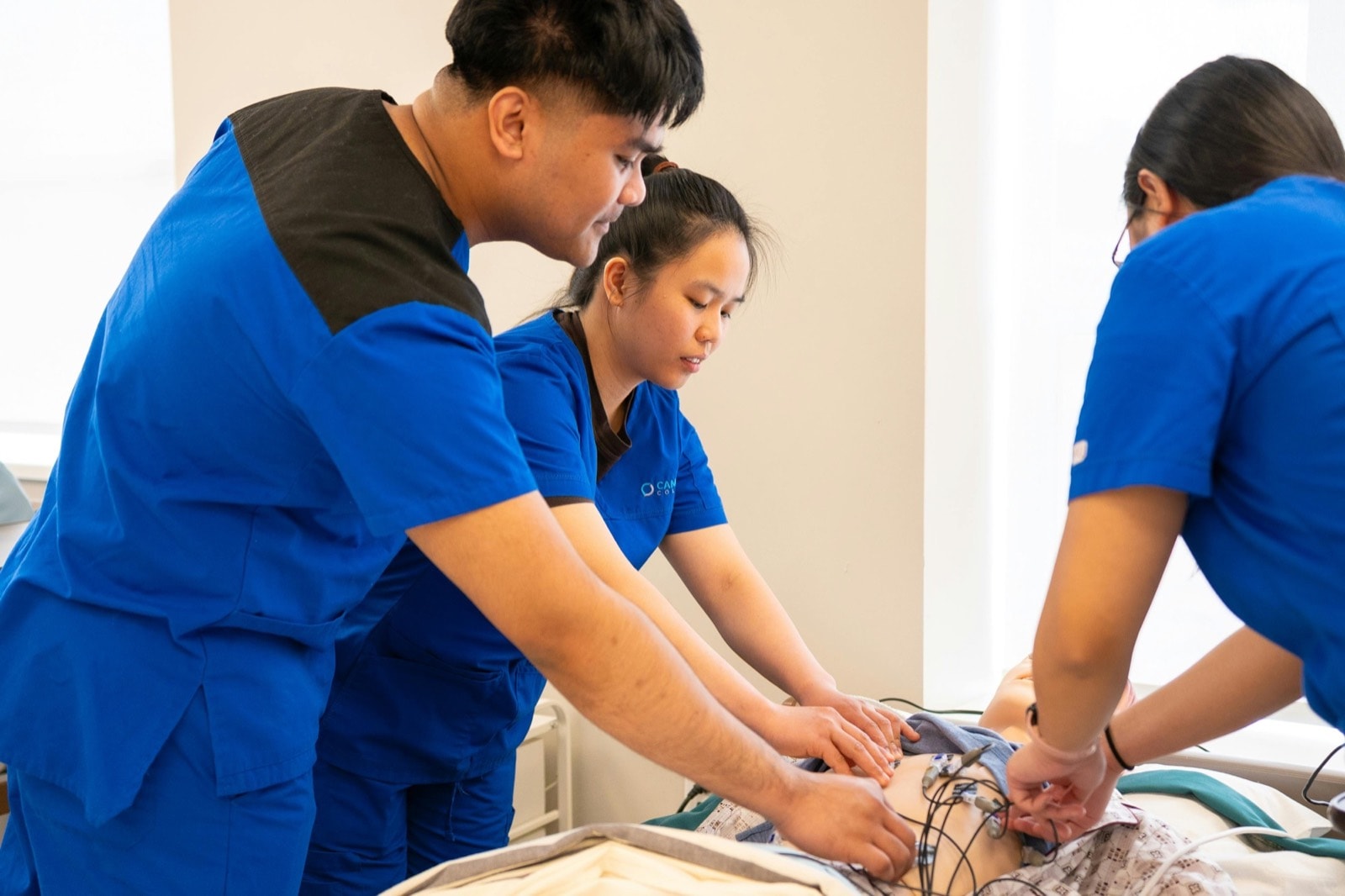
The case for hiring Filipino nurses and healthcare staff rests on four things: PRC licences that MOH UAE, DHA, SCFHS, and QCHP recognise for registration, degrees taught in English, a four-decade record in the region's hospitals, and a workforce that tends to stay in the region rather than move on.
Filipino Healthcare Professionals Train and Work in English
CHED-accredited nursing and allied health programmes in the Philippines are taught in English. From the start of clinical training, clinical documentation, handover notes, drug protocols, and ward communication are in English as the working language of Philippine healthcare.
For UAE, Saudi Arabia, and Qatar employers this means no language gap after hire. Filipino nurses can document and join multidisciplinary rounds from day one.
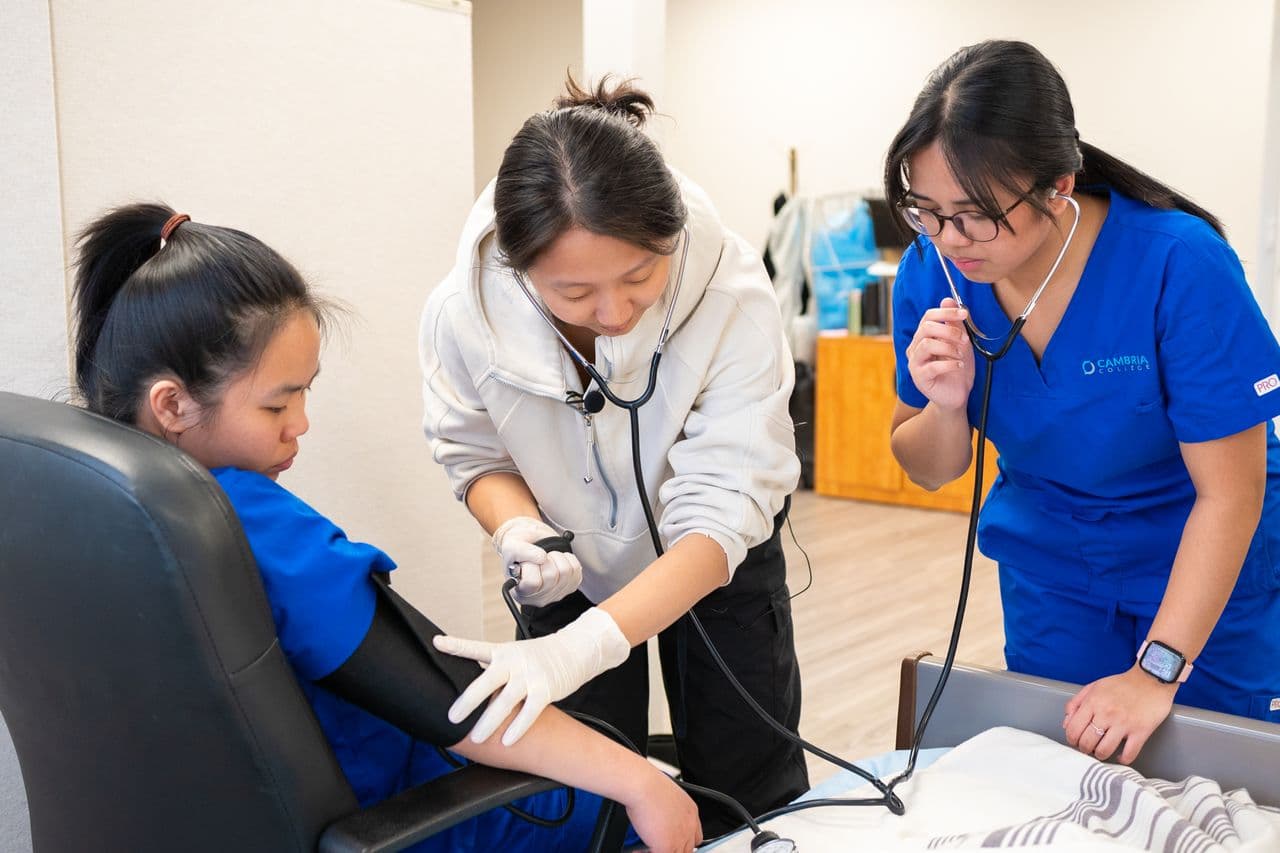
Philippine Regulatory Commission Licensing: Recognised Across the Region
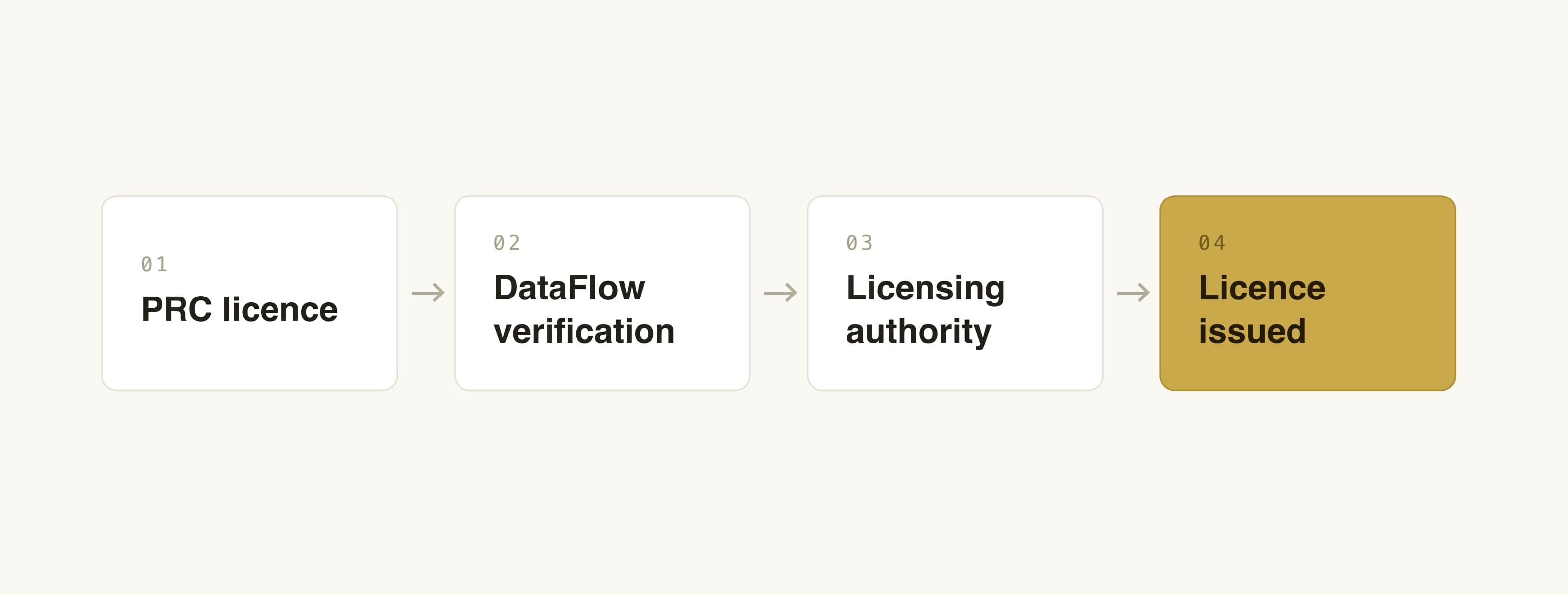
The PRC licence is not a courtesy recognition. It is the primary source document used for health authority DataFlow checks in the UAE, Saudi Arabia, and Qatar. The Professional Regulation Commission (PRC) licenses Philippine healthcare professionals following national board examinations. Nurses sit the Philippine Nursing Licensure Examination. Medical technologists sit the Medical Technology Licensure Examination. Physiotherapists sit the Physical Therapy Licensure Examination, and pharmacists sit the Pharmacist Licensure Examination.
MOH UAE, DHA, SCFHS, and QCHP use DataFlow primary source checks on PRC credentials before granting registration. Licensing authorities in the region have clear verification processes for PRC credentials. This makes the route from Philippine licence to registration in the UAE, Saudi Arabia, and Qatar more predictable and often faster than for less familiar licensing systems.
DHA licensing guide →MOH UAE licensing guide →SCFHS and DataFlow guide →QCHP registration guide →
One of the world's largest mobile healthcare workforces
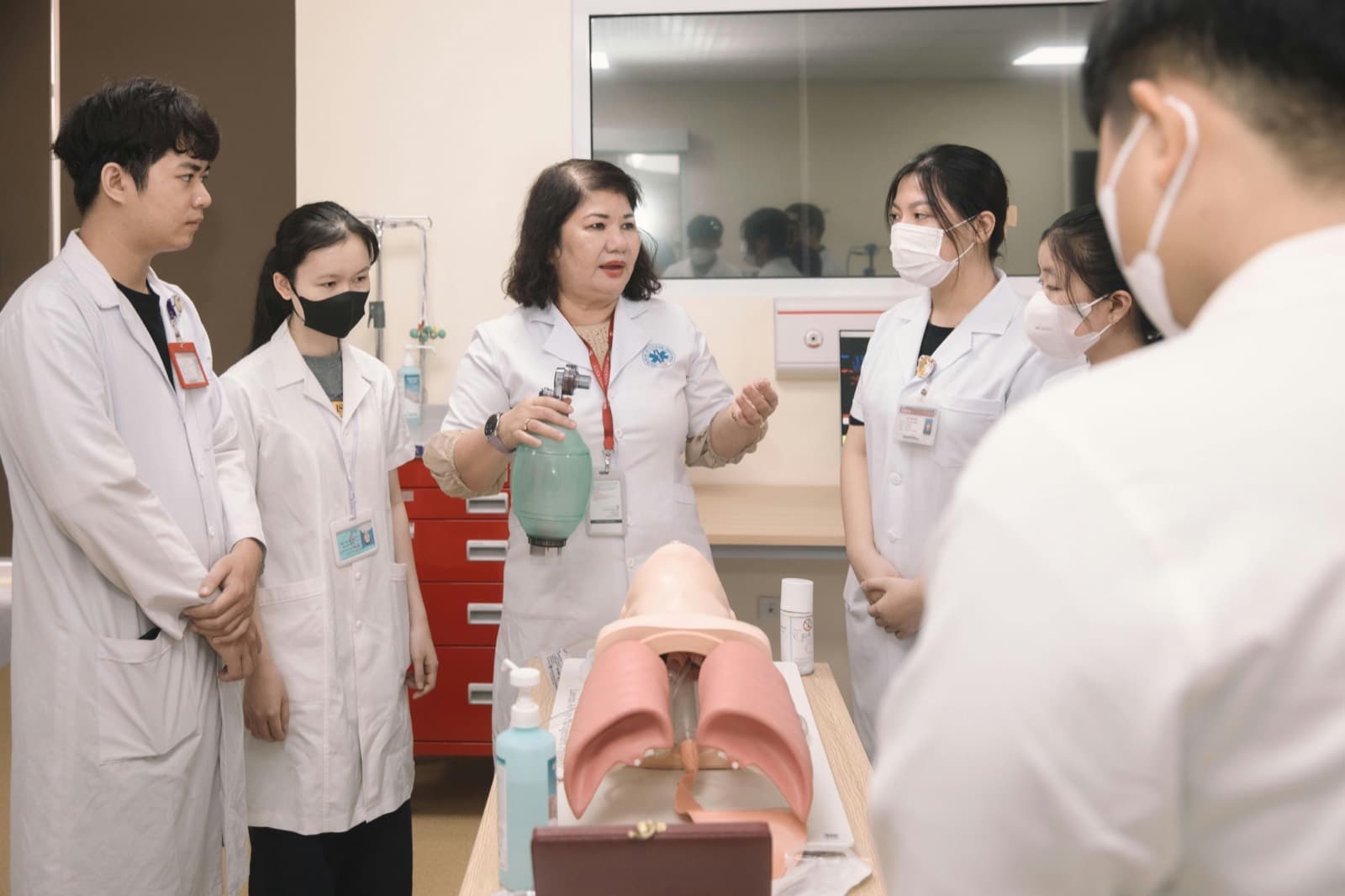
As of June 2026, the Philippines produces around 100,000 nursing graduates per year across CHED-accredited institutions. Filipino healthcare professionals work in hospitals across the UAE, Saudi Arabia, and Qatar, the United Kingdom, the United States, Canada, and Australia. This scale means a talent pool that replenishes, not a narrow pipeline that depletes under sustained demand. It also means Filipino professionals understand employment processes, pay structures, and licensing requirements in the UAE, Saudi Arabia, and Qatar before they apply. This mobile workforce is recognised by the Philippine government as Overseas Filipino Workers (OFWs), a status that carries registered contracts, pre-departure clearances, and worker protections at every stage.
About these figures
Workforce and graduate figures on this page are as of June 2026.
Licensing structures and English-medium training are structural features of the Philippine healthcare system.
Filipino Healthcare Professionals Have Four Decades in the Region's Hospitals
Filipino healthcare professionals have worked in the region's hospitals since the 1980s. Hospitals and health systems in the UAE, Saudi Arabia, and Qatar have employed Filipino nurses and allied staff across major clinical settings for more than four decades.
Filipino nurses more frequently complete full 2 to 3 year contract cycles and renew. For employers in the region, this can lower the total cost of a placement over a three-year period compared with workforces that move on quickly to UK, Canadian, or Australian registration.
Filipino Medical Professionals Across Every Healthcare Role in the Region
Filipino medical professionals work in many roles beyond registered nursing. The Philippines produces physiotherapists, medical technologists, pharmacists, occupational therapists, radiographers, respiratory therapists, home care specialists, and many other allied and care professionals. Licensing authorities in the UAE, Saudi Arabia, and Qatar, including MOH UAE, DHA, SCFHS, and QCHP, accept these qualifications.
These links show our UAE role pages; the same roles are sourced for Saudi Arabia and Qatar.
Filipino Registered Nurses for UAE →
Filipino ICU Nurses for UAE →
Filipino Physiotherapists for UAE →
Filipino Medical Technologists for UAE →
Filipino Pharmacists for UAE →
Filipino Home Care Assistants for UAE →
Employer Questions
The PRC is a single national licensing standard administered by the Philippine government. All Filipino nurses pass the same national board examination regardless of which institution they trained at. In contrast, Indian nursing licensing varies by state nursing council, which creates more variability in the DataFlow process. The licensing authorities in the UAE, Saudi Arabia, and Qatar have established specific DataFlow verification pathways for PRC credentials, making the process more predictable and often faster than for less familiar credential systems.
DataFlow primary source verification for PRC credentials typically takes 4 to 8 weeks from submission. Total timeline from confirmed brief to candidate arrival in the region is typically 3 to 4 months depending on the specific licensing authority and role category. BW Medical Staffing prioritises candidates with active DataFlow status to reduce your total timeline.
Yes. The PRC licenses all regulated healthcare professions in the Philippines through separate professional boards. Physiotherapists, medical technologists, pharmacists, and occupational therapists each sit their own national board examination and hold a PRC licence in their specific profession. The licensing authorities in the UAE, Saudi Arabia, and Qatar recognise PRC credentials across all these allied health professions.
For licensing pathway detail by market in the UAE, Saudi Arabia, and Qatar: How our recruitment process works →

Ready to Hire?
Ready to Recruit Filipino Healthcare Staff for Your Facility?
Book a 30-minute discovery call. Tell us your role, headcount, and timeline. We will give you an honest assessment of what BW Medical Staffing can deliver.
UAE · Saudi Arabia · Qatar · Singapore